Mastering Your Trezor Login Experience
Understanding how to manage your Trezor Login is vital for keeping your digital assets safe. The Trezor Login connects your hardware wallet to supported platforms and apps, allowing secure access to your funds. By mastering Trezor Login, users can confidently navigate their portfolios and protect their cryptocurrency.
Why Trezor Login Is Important
The Trezor Login serves as the gateway between your hardware wallet and blockchain applications. Each Trezor Login uses advanced security protocols, ensuring that private keys never leave the device. Users who understand the importance of Trezor Login can manage transactions without risking sensitive information.
Step-by-Step Guide to Trezor Login
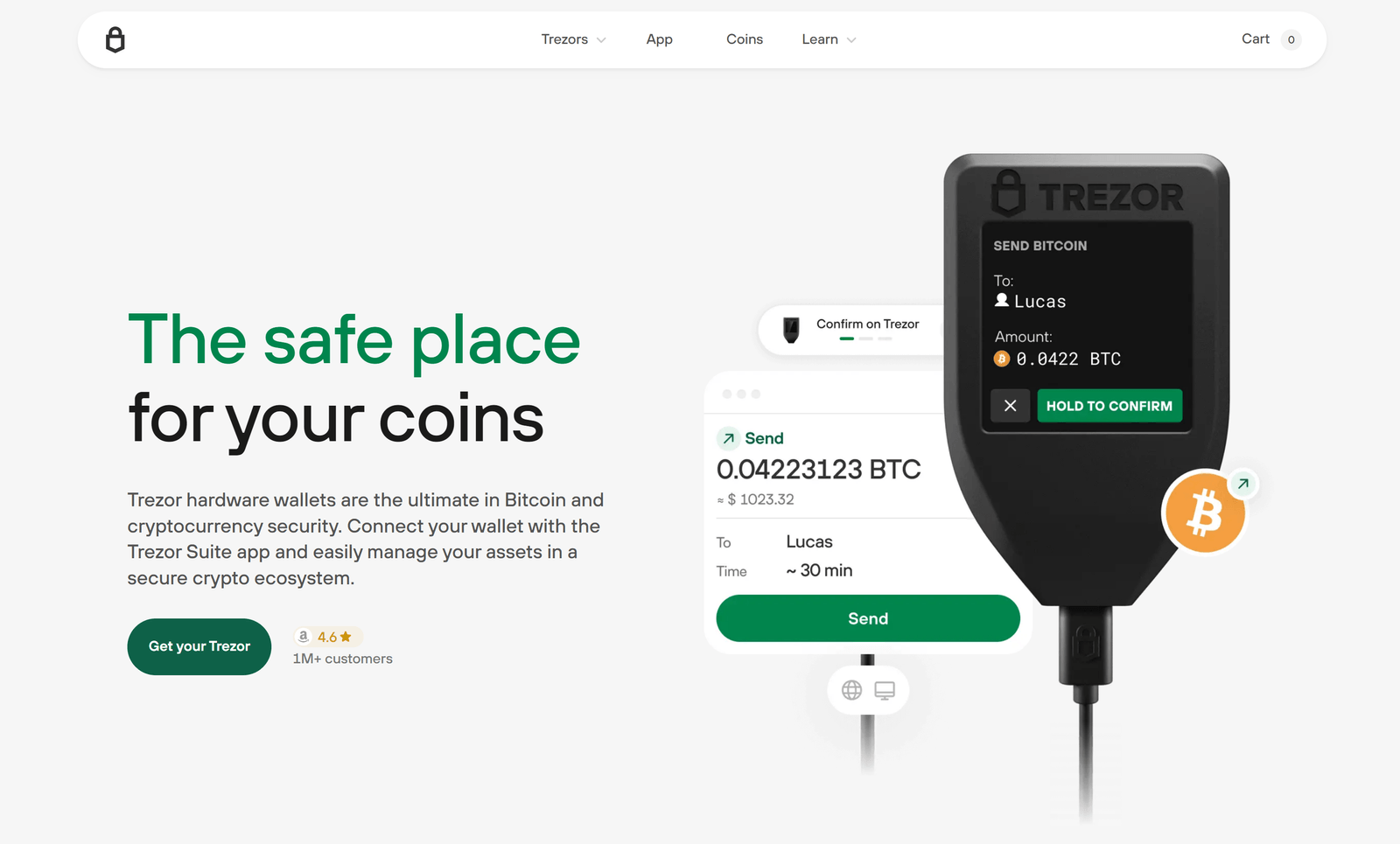
Getting started with Trezor Login is straightforward. First, connect your Trezor device to your computer using a USB cable. Open Trezor Suite or a supported wallet interface, then select Trezor Login when prompted. Authenticate with your PIN or passphrase, and once confirmed, Trezor Login provides access to your crypto accounts securely.
Common Issues with Trezor Login
Sometimes users encounter problems during Trezor Login. Issues such as outdated firmware, missing drivers, or browser incompatibility are common. Recognizing these potential obstacles helps ensure smooth Trezor Login sessions.
Troubleshooting Trezor Login Problems
If you face difficulties with Trezor Login, start by updating your Trezor firmware and Trezor Suite application. Switching to a compatible browser such as Chrome or Firefox often resolves login issues. If problems persist, reaching out to Trezor support ensures your Trezor Login process is restored quickly.
Enhancing Security During Trezor Login
Maintaining strong practices during Trezor Login is critical. Always verify the device’s authenticity and confirm details on the hardware screen before approving any action. By staying vigilant, users make sure their Trezor Login remains secure and their private keys remain offline.
Platforms Supporting Trezor Login
Trezor Login works with Trezor Suite, web wallets, and third-party apps that integrate with hardware wallets. Each platform leverages the same secure principles, ensuring every Trezor Login session is consistent and safe. Understanding where Trezor Login is supported expands your ability to interact with decentralized applications.
Benefits of Trezor Login for DApps
Decentralized applications often require authentication, and Trezor Login provides a secure method for signing in. Unlike traditional passwords, Trezor Login leverages hardware confirmation, which makes phishing or keylogging attacks ineffective. This adds an extra layer of safety for Web3 users.
Tools to Optimize Your Trezor Login
Several tools enhance the Trezor Login experience. Trezor Suite provides a full dashboard for account management, while integrations with password managers like 1Password help you securely store app credentials. Together, these tools streamline Trezor Login while maintaining strict security.
Top 5 Tips for a Smooth Trezor Login
- Ensure your firmware and Trezor Suite app are updated before using Trezor Login.
- Use only official cables and connectors during Trezor Login sessions.
- Confirm all transaction details on the hardware device during Trezor Login.
- Pair Trezor Login with a secure passphrase for enhanced protection.
- Always disconnect your device after completing your Trezor Login session.
Following these tips guarantees that Trezor Login remains smooth, secure, and efficient.
Conclusion: Master Your Trezor Login
Confidence with Trezor Login is crucial for safe and efficient crypto management. From securing access to decentralized apps to verifying every transaction, Trezor Login gives users peace of mind. By following best practices and leveraging the tools available, investors can ensure that Trezor Login always protects their assets.